
Pompeii
city was known for its elegant houses, elaborate villas, and bustling marketplaces
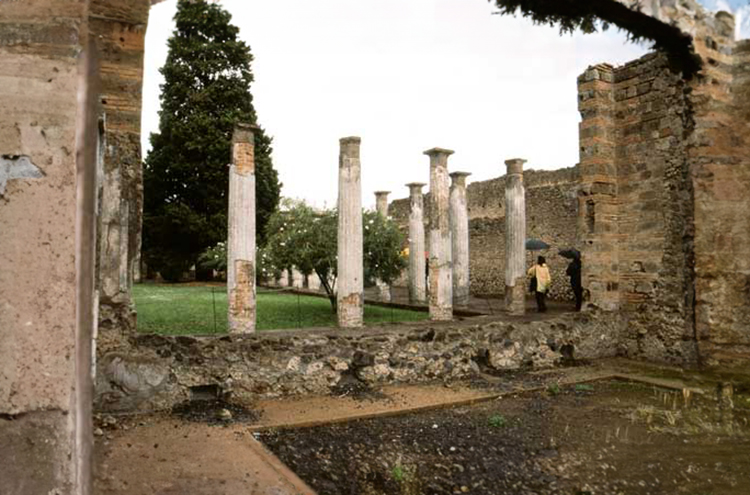
Pompeii, an ancient city located Campania. It was settled around the 7th or 6th century BC. It grew and flourished as a trade center and a resort city for the distinguished citizens of the Roman Empire. The city was known for its elegant houses, elaborate villas, and bustling marketplaces.
Everything changed for Pompeii in 79 AD when Mount Vesuvius erupted, burying the city under a thick layer of volcanic ash. It was devasting, with the loss of about 2,000 lives. The city was abandoned.
The site was rediscovered in 1748, and beneath the debris, Pompeii was found to be mostly intact. Being so quickly covered with volcanic ash, the preserved buildings, artifacts, and even some human remains have provided invaluable insights into everyday life in the ancient world. Today, Pompeii, along with Herculaneum and Torre Annunziata, a UNESCO World Heritage site.
We visited Pompeii on our 2001 holiday and again in 2005. For the 2005 Amalfi Event/Italy tour we arranged for a guide tour of Pompeii which re recommend. The guides in Italy have a great passion for the history of the country and will add value to the visit.
In 2005 we visited Herculaneum, and although the large temples there are better preserved, if you want to get the feel of an entire roman city, then you have to visit Pompeii. Although I was impressed and it was more than I had expected. The heat seemed crippling and we took a a bus from Salerno and then took the train back via Sorrento and a bus from Sorrento to Amalfi where we were staying. It can all be nicely done in a day.
Where good shoes as it is hard to walk on the old roman stone roads with their paving area for the wheels and the stepping stones for the pedestrians.
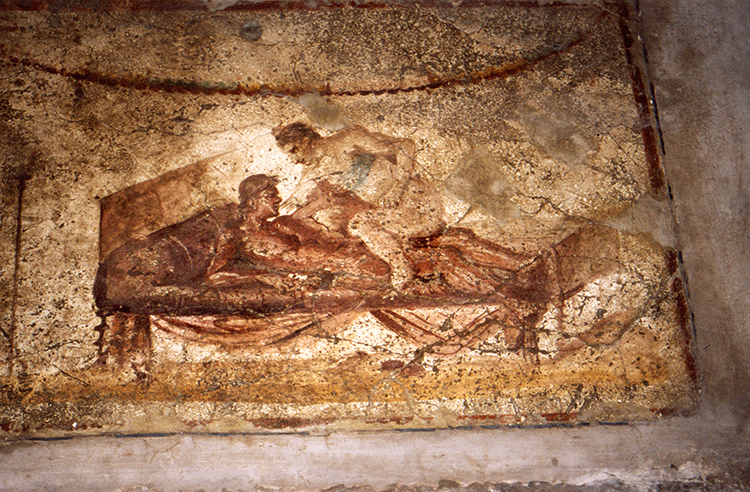
The colours are amazing. They are still there. Hell, there is still graffiti on the walls - the original stuff!
At one time Pompeii has a population of 20,000 and it dates back to the 7th Century BC. It was only of three or four major trading centers in Campania at the time. Of course what makes this town unique was the events of A79. The volcano erupted, most of the towns people left with an estimated 10 percent perishing. The town was covered in ash and stone. The upper floors of buildings that were visible were looted. Engineers found it when they were digging an aqueduct in around 1600.
So if you have not seen Pompeii yet, plan to do so. When I read an newspaper article in June 2008 about how tourists are ruining Pompeii by taking bits of it out with them, it made me think that the days of just walking around the site may be limited.
