Siracusa | Syracuse
Siracusa was at one time a major power of the Mediterranean world. Described by Cicero as "the greatest Greek city and the most beautiful of them all". In the 5th Century BC it was equal in size to Athens. Today it is a UNESCO World Heritage Site.
Just outside the town is the impressive parco archeologico della neaplis containing the remains of the Greek theatres and some extensive quarries. On our 2000 trip we mainly spend time in the architectural ruins. But don't miss the city. We concentrated on that on our 2003 visit and it is well worth a good day of your itinerary.
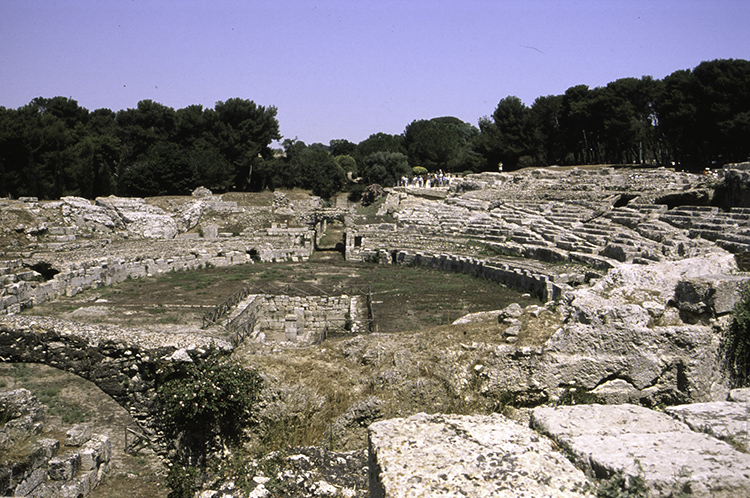
The archaeological site is northwest of the centre of town. Of note is the Greek amphitheatre dating to the 5th Century BC. Its cavea is amongst the largest ever built. There are 59 rows and with this, the theatre could accommodate up to 15,000 spectators. An annual Greek theatre festival takes place from the middle of May to the end of June. Personally, I preferred visiting the temples in Agrigento more than this site.
The old stone quarries (latomie) are over the ridge from the theatre. The “Ear of Dionysius”, is a 20m-high, slender pointed arch cut into the rock face that develops inwards for about 65m. The name dates back to the 1608 visit by Caravaggio. The legend is that it was used by Tryant Dionysius to be a prison for his enemies. The excellent Cathedral-like acoustics meant that he could hear their conversations from outside.
The Roman amphitheatre, 3rd Century AD, is one of the largest.
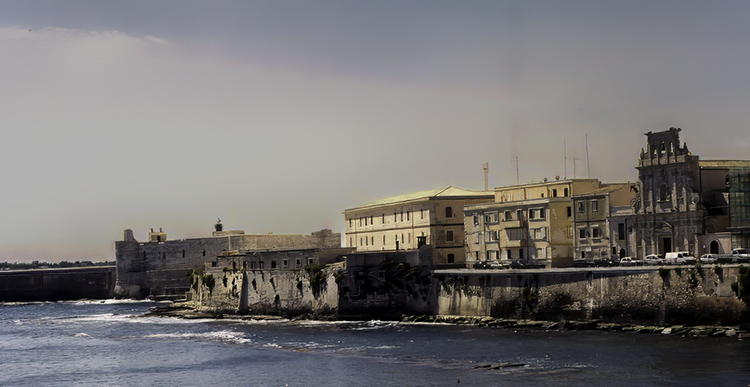
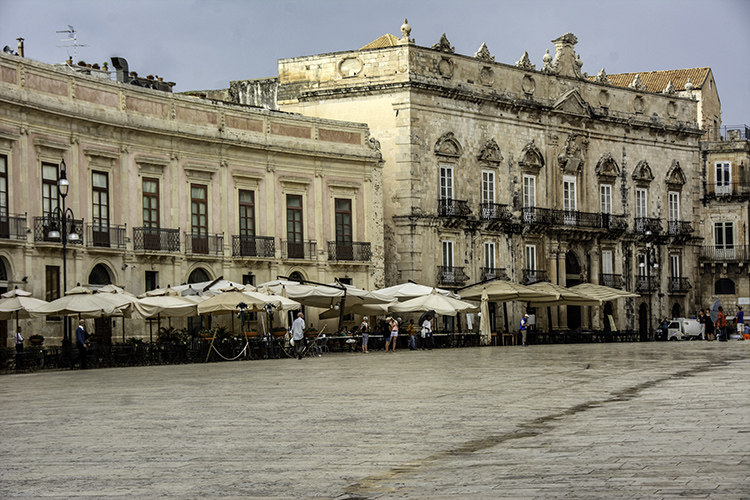
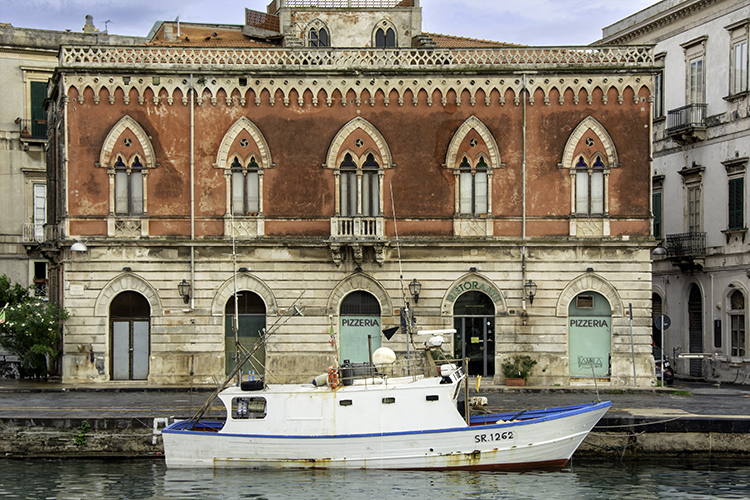
From Syracuse you can travel to the Island of Ortygia. It is small, 1km by 500 metres and has Greek and Roman remains, Mediaeval Norman and Baroque architecture. There are trattorias and bars.