
A scenic authentic town
The town has a long history. The city was prosperous during the Roman times, with the remains of the baths, theater, and amphitheater still visible today. After the fall of the Roman Empire, the city became steward of the Duchy of Spoleto.
The city suffered severe damage in various historical periods: it was destroyed by Frederick Barbarossa around 1152. After the transition to the state of the Church, it became a free city governed by consuls; later came under the rule of the Trinci of Foligno, then return permanently under the direct control of the Church, until the unification of Italy.
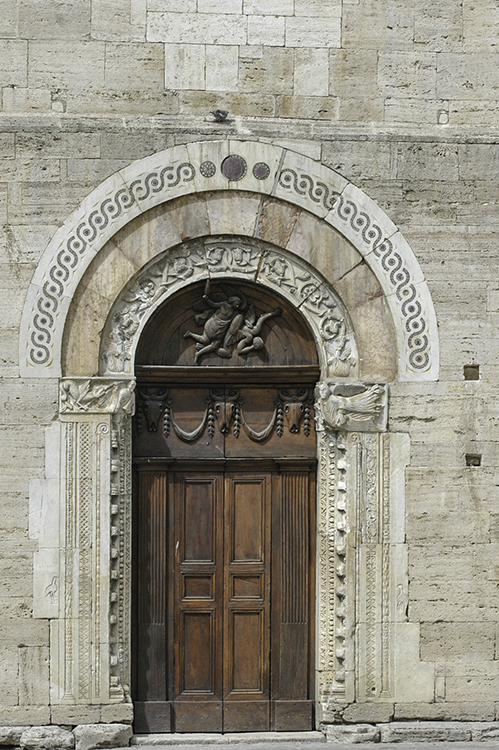
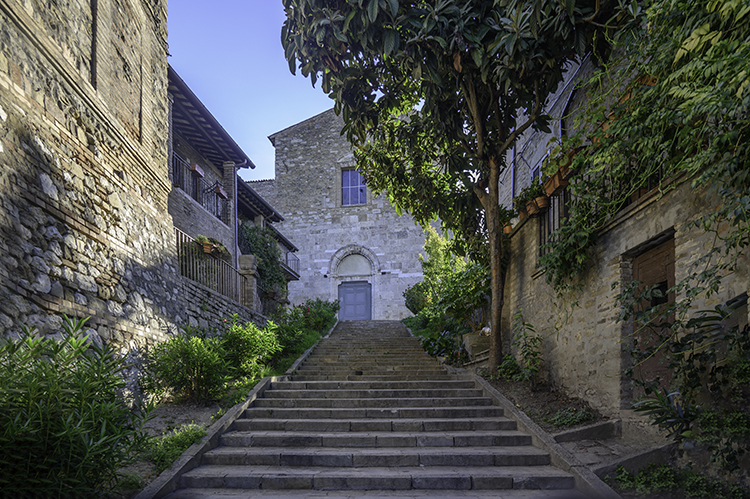
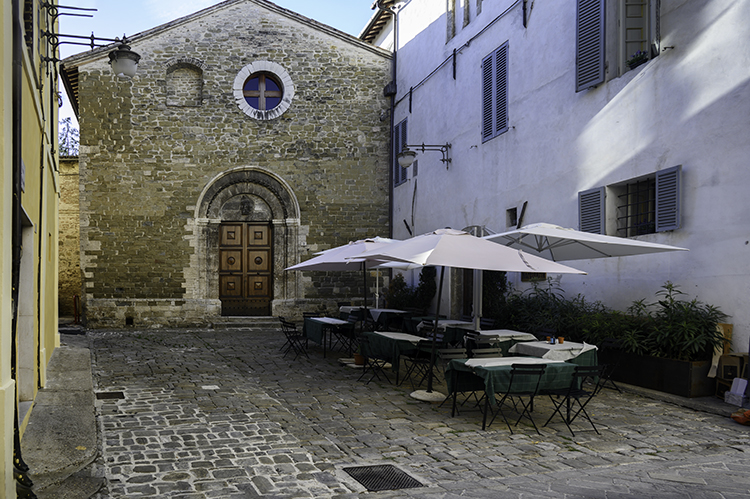
Piazza Silvestri is the medieval square and I would say gives off the best vibe in the town. There are two ancient churches along with 13th-century buildings.
Church of Saint Francis was built around the 13th century and contains works dating back to earlier centuries.
Roman Theatre is from the 1st-century and could hold about 10,000 spectators.
Madonna of the Snow is an ancient medieval church, now partly destroyed, located near an ancient temple.
Roman Thermae on the floor of these baths is a mosaic floor.
Palazzo Lepri a palace was built in the late 17th century and now is the Town Hall and Museum. The museum has an archaeological section which holds various artifacts from the Archaic, Roman Imperial, and Medieval periods.
B e v a g n a

photos: mytravellinglens.com
MARCUS TRAVEL JOURNA;
My Travel Journal


© Glenn Marcus
All Rights Reserved