UNESCO Creative Cities Network
With pens, paper and ink being a big part of my life, and paper for art being part of Karen's, we just had to visit the town of Fabreiano on our 2022 visit to Itay. Fabriano, along with Rome, Parma, Torino and Carrara hold UNESCO Creative Cities Network status. This was a program launched in 2004 to promote cooperation among cities which have recognized culture and creativity as stragegic drivers of sustainable urban development. Fabriano is know for its handmade paper production.
The town was founded in the Middle Ages, and by 1276 it was one of the earliest places in Europe to produce paper. Its paper making led to properity in the Middle Ages and dureing the Renaissance. It was also one of the reasons that Foligno, a town nearby, became one of the earliest printing centres in Italy by 1470.
Fabreiano Cathedral was built in the 14th C and rebuilt in 1607-17. There is a cloister with frescoes and we did not see those on our 2022 visit and should return in 2024.
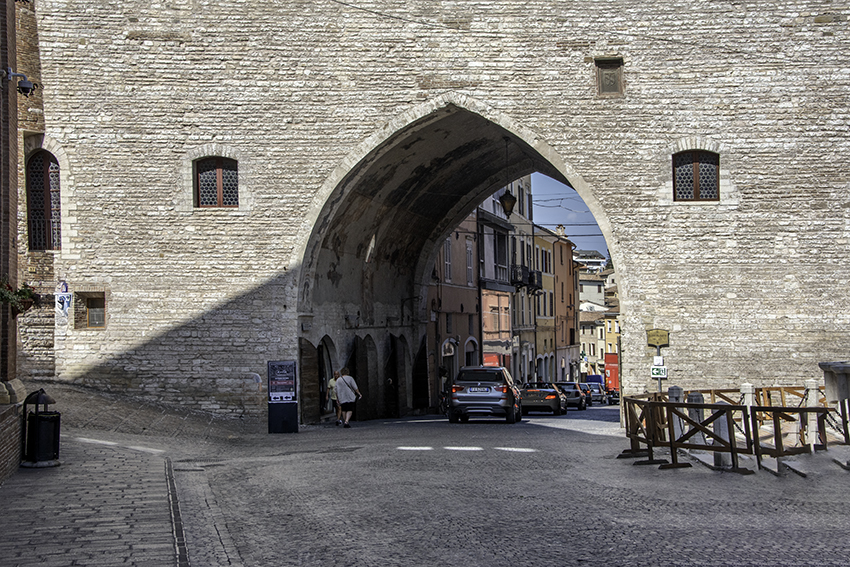
The Palazzo del Podestà (1255) has been modified over the years. It has a distinctrive bridgge structure as at one time a stream flowed under the Palazzo.
Sturinalto Fountain (1285), designed by Jacopo di Grondolo, who was inspired by the Fontana Maggiore in Perugia.
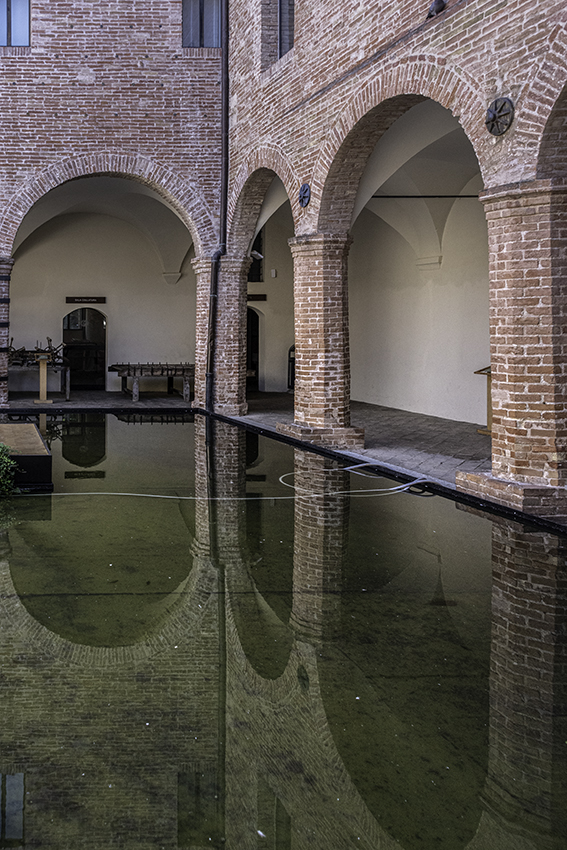
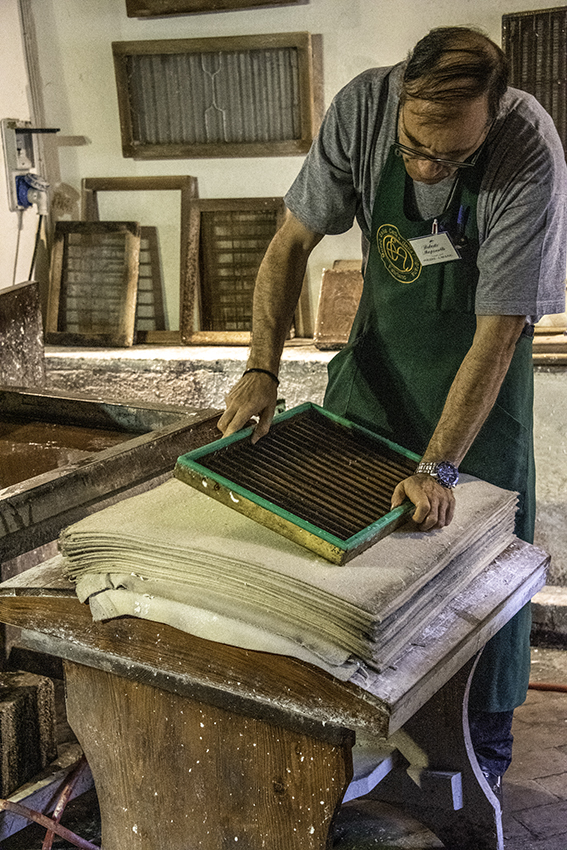
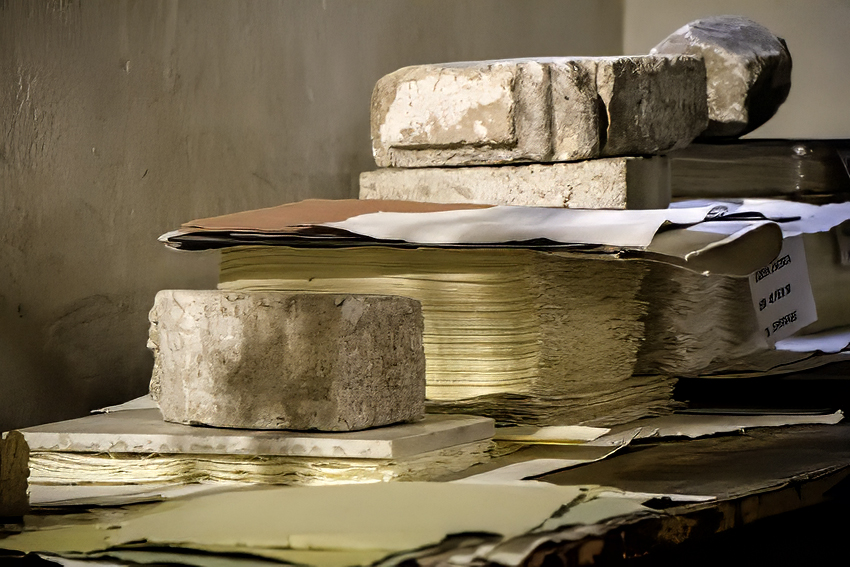
Our visit centered on the Paper and Watermark Museum, it goes back to the 12th Century. We enjoyed the museum as well as the practical demonstrations on making and watermarking paper.
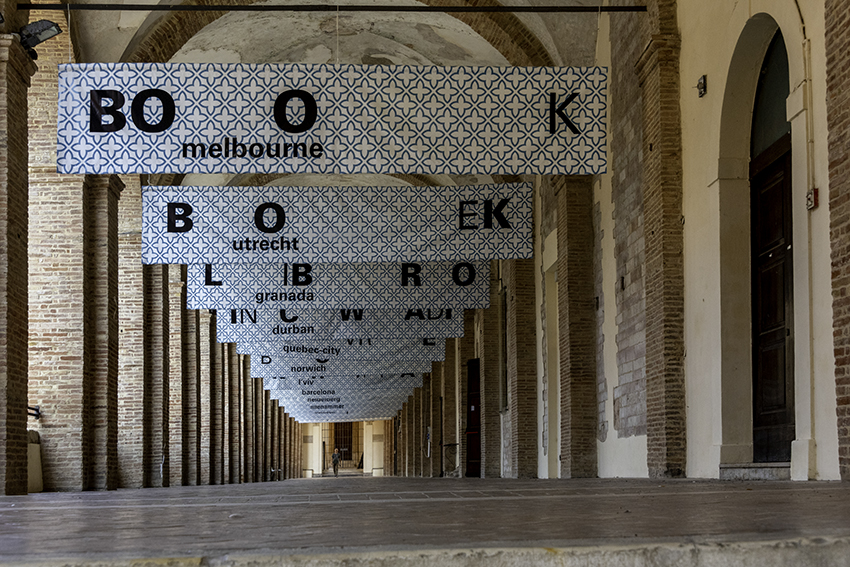
Loggiato San Francesco - built in 1450 and renovated in 1700, a covered passageway of 18 arches that connected the San Francesco church (unfortunately now demolished) to the Piazza del Comune. It was built next to the church of San Francesco dei Frati Minori Conventuali, as a place for the Friars to walk. It had only 12 arches. There were shops underneath as today. In 1799 it took on its current form with 19 arches and was opened to the public for walking. The church was thoughtlessly demolished in 1864 because it was declared unsafe, but perhaps because it was driven by an excessive anticlerical spirit. A fellow citizen Benedictine abbot, witness to the facts, wrote at the time that all those who were to be the main authors of the outrage incurred divine punishment, struck by incurable ills.
photos: mytravellinglens.com
MARCUS TRAVEL JOURNAL
Travel Journal Italy

© Glenn Marcus
All Rights Reserved