
The eternal city.
There are 23 Rione, which are administrative sections of Rome, established historically. Neighborhoods can be part of a Rione, or cross over the administrative borders. It is handy to talk about the areas by Rione as the street signs of Rome include the name of the Rione, and not the more causally known neigborhood reference.
Esquilino is the 15th Rione of Rome, and signs will show it as R.XV. Encompassing Rome’s main train station, Termini, and adjoining streets, the gritty Esquilino area is known for its budget hotels and basic, traditional trattorias. There are also many Asian and African restaurants, shops and street food stalls. The major attraction is the vast Church of Santa Maria Maggiore, a pilgrimage site and one of Rome’s seven major churches.
Rome's Termini Station is in this Rione, and the area around the station, while traditionally not one recommended to tourists, other than low cost hotels, does have sights.
The station is named after a district (Termini) in the Rione, which refer to the Baths of Dioceletian that are across the street from the main entrance to the station.
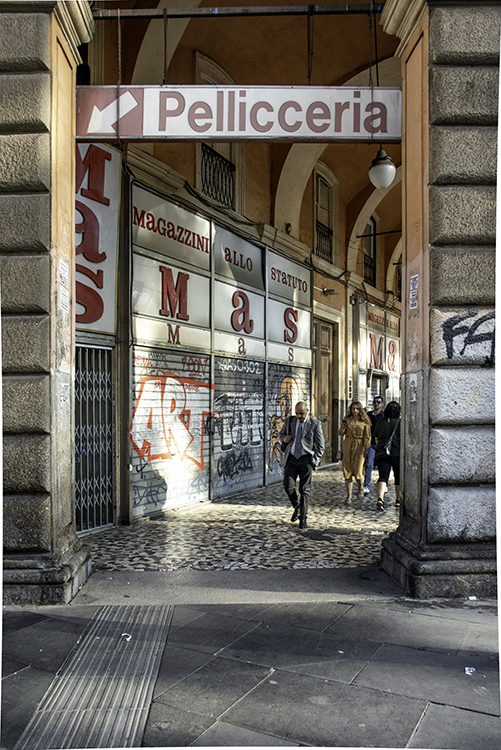
Piazza Vittorio Emanuele II, is west of the station, and easily accessed by the Line A, Vittorio Emanuele Metro Station. The Piazza is surrounded bypalazzi with porticoes. It was built shortly after the unification of Italym inaugurated in 1911, and is the largest piazza in Rome. In the middle is a garden with the the Trophy of Marious fountain (built during the reign of Alexander Severus) and the Porta Alchemica.
The door was built between 1655 and 1680 by Massimiliano Palombara. It is a mysterious monument with symbols and inscriptions, it was a portal into the secretive world of 17th-century alchemy. (Alchemists thought they could transform base metals such as lead into gold. They had secret labs and their writings were coded in allegory and metaphor.) To give some reference Isaac Newton and Robert Boyle were alchemists.
The door did not physically lead anywhere. But, Marquis Palombara, an alchemy and esotericism enthusiast, had the “magic recipe” engraved on this door (planetary symbols, inscriptions in Latin and Hebrew and King Solomon’s seal.) Two statues of the Egyption god Bes stand beside the door as if waiting in case someone decodes the mysteries.
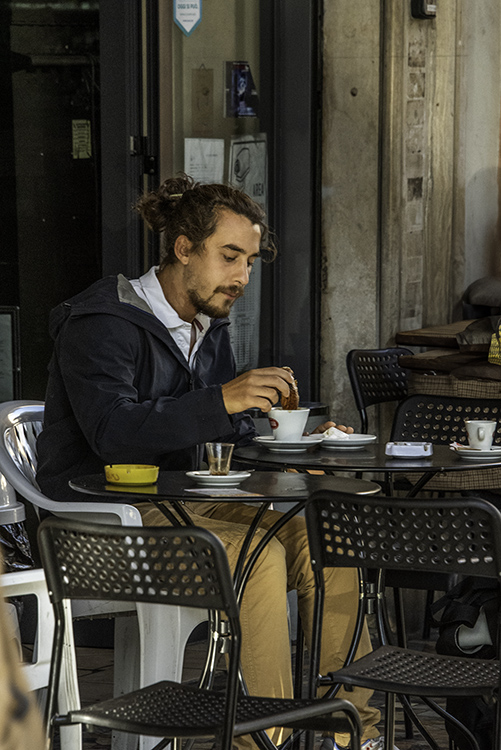
I like walk around this area as there is a feeling of a time when this was "the" place to be in Rome. I sat at a cafe under the porticoes, nothning prretenious going on here.
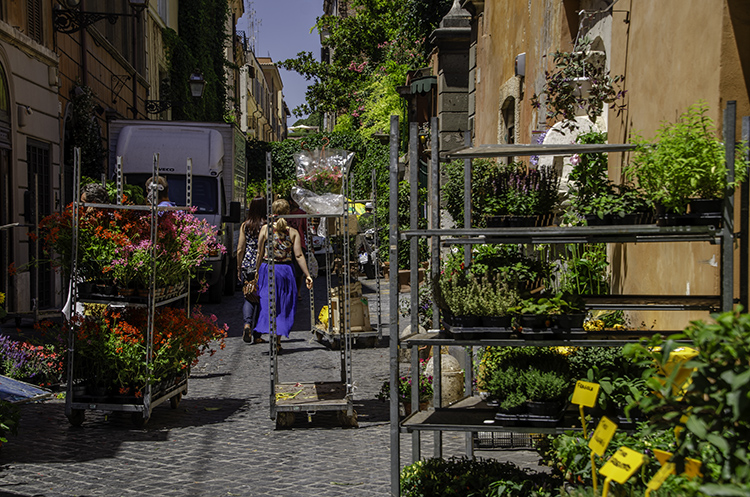
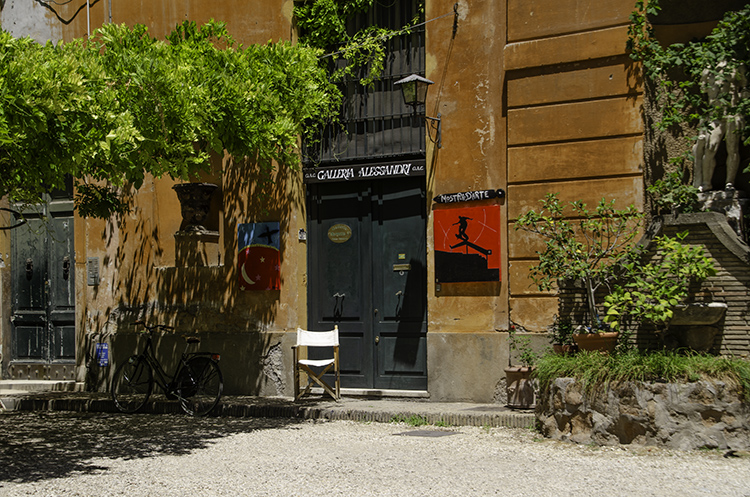
You won't be along on Via Margutta, but it is a great way to enjoy a bit more relaxed Rome after you spent time around some of the major sites. It is a narrow street nestled on the slopes of Mount Pincio between Piazza del Popolo and Piazza di Spagna. It is described as offer magical refuge. It was the home to craftsmen, workshops, and stables. Now it has evolved to art galleries and fashionable restaurants.
I guess it is how things change that is so startling. It was originally an open sewar for the villas and palaces that stood on the Pincian Hill, directly above. The name margutta is asspcoated wotj a ;atom phrase for sea drop, probably referring to the while pool foam from the sewage.
The street was featured in the 1953 film Roman Holiday, and of course there is no looking back.. Even film director Federico Fellini was among the celebrities who lived in this exclusive neighborhood.
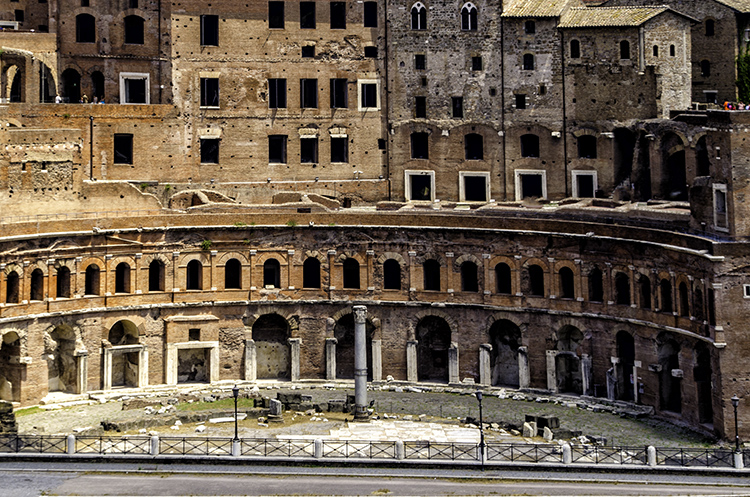
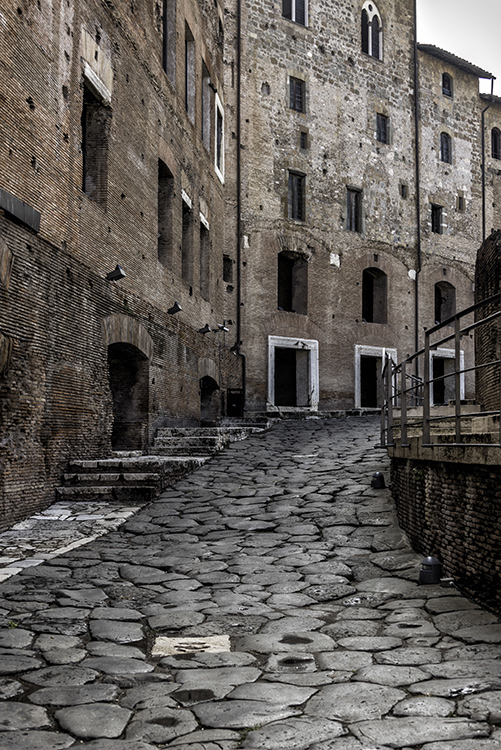
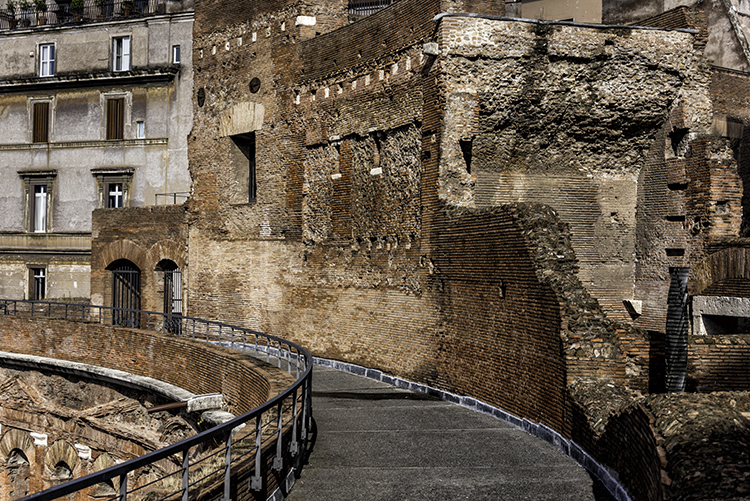
Trajan’s Market, also known as Mercati di Traiano in Italian, is an interesting complex of ruins, standing on the Via dei Fori Imperiali, opposite the Roman Forum, and offers a glimpse into ancient Roman life and architecture. I enjoy the market because you get the feel of walking through some of the really big Roman structures, but do not have to negotiated with throngs of tourists.
Built between 100-110AD, it was build as part of Trajan's forum, and rooms in the arcades thought to have been shops, may more likely been administrative offices for Empereor Trajan. But the multi-level complex had apartments, shops and offices. Free wheat was given to thepeople of Rome from this market. You can walk through the various levels, and outside the walk gives you wonder full view across the forums. The big towers that stands behind, Torre delle Millizie was built in 1300. Later in the 16th century a convent took hold in the building. Now the Museo dei Fori Imperiali is in the complex.
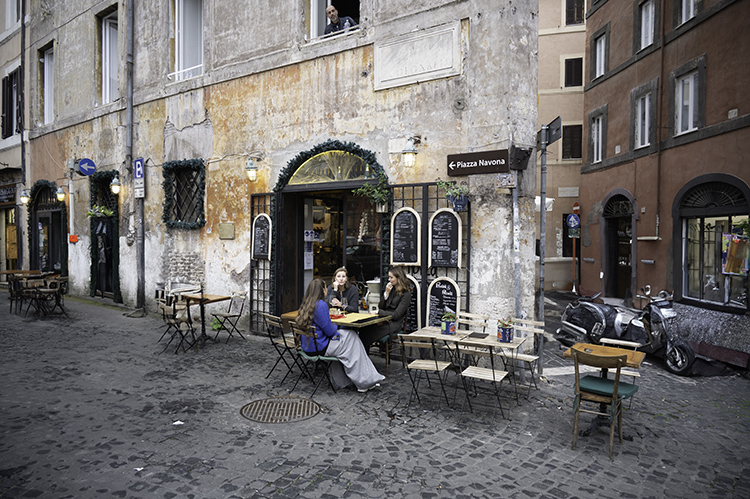
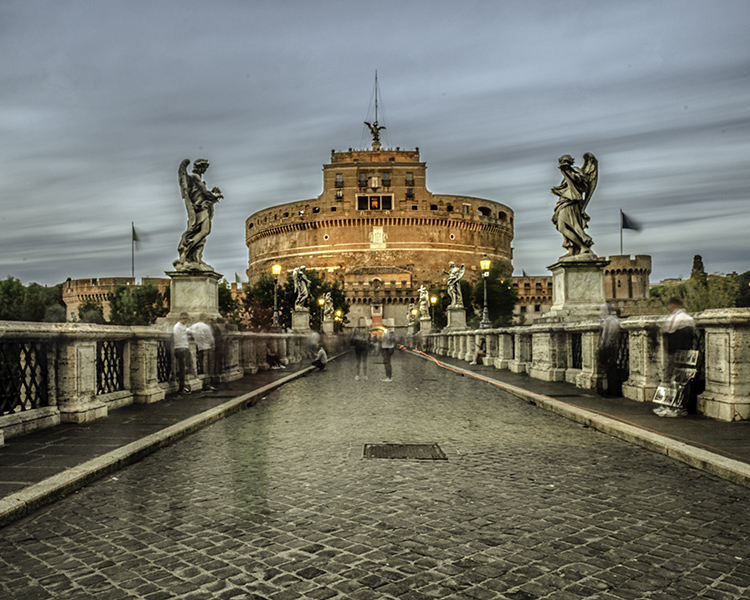
Karen and I find this an interesting walk, it is away from the crowds of the major sights, but this street has a nice busy feel to it. The walk starts off from the Piazza di Pasquino which is just outside of the Piazza Navona. You will be at the Piazza Navona for sure, and this walk will take you to the Ponte Sant'Angelo, a bridge leading to the Castel Sant'Angelo.
So when you finished enjoying the Piazza Navona, head to the south end and exit on the left on via di Pasquino. It takes you to the small Piazza di Pasquini - famous for the small ancient Statua di Pasquino. It is known as a talking statue as prople would attach anonymous notes with criticisms to its base.
Head out of the Piazza di Pasquino along the Via dei Governo Vecchio. A few years ago we rented an apartment on this street. There are trendy cafes, restaurants and small independent stores on this and the connecting streets. Frigidarium, No. 11, on the left side has great gelato. Don't worry the the crowds move quickly. In the next block is a highly rated restaurant: Pizzeria Da Baffetto., N. 114. The majority of the tables outside on the side street. Great thin-crust pizza. A block or so further, on your left side is the busy restaurnt, Fattoincasa, No. 125. The year we stayed on this street we really enjoyed the Cacio e Pepe Pasta - eating here a number of times. Last year we went for lunch and we felt a bit rushed and I thought the food was not as good. But I will go back and try it again.
As you arrive at the Piazza dell'Orologio, it has the clock tower, turn right and head up Via degli Orsini, the street ends and you turn left. It will become via Panico. Lots of cafes and restaurants. At Piazza dei Coronari you can turn right and walk along Via dei Coronari, which is worth a little detour. In the end you continue along via di Panico which leads right to the Ponte Sant' Angelo. If you walk down Via dei Coronari a few blocks the Gelateria del Teatro will be on your right. Unique flavoured gelato, even if you stopped for gelato at Frigidarium, stop here. If you just keep going and decide not to go to the Ponte Sant'Angelo, Via dei Coronari will lead you right to the Piazza di Tor Sanguigna which is just above the north end of the Piazza Navona - you have gone full circle.
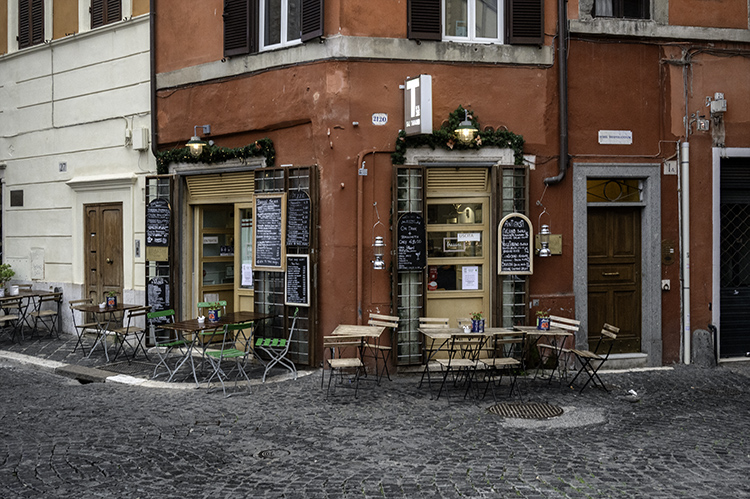
But if you were continuing on the Via di Panico towards the Ponte Sant'Angelo, the small Caffe dei Coronari has a good vibe and sitting here and watching the world go by is very relaxing. Next block you are at the Lungotevere Tor di Nona and you will see the Ponte Sant'Angelo across the street.
Enjoy your time on the bridge, and the Castel Sant'Angelo is very interesting.
If you are gungo ho and want something else, turn left when you get off the bridge and the Lungotevere Castello takes you Piazza Pia and then the famous Via della Conciliazione where you will be looking right down the street at the Vatican.
There is so much to see, I provide further information on Rome by the Rione!
Select thumbnail to see larger image
MARCUS TRAVEL JOURNAL
My Travel Journal

© Glenn Marcus
All Rights Reserved